 Krypso
Foundations of Male Nutrition
Essential Foods and Micronutrients for Your Well-being

Understanding Male Nutrition
Proper nutrition plays a fundamental role in maintaining overall health and well-being for men. A balanced diet provides the energy, nutrients, and building blocks necessary for physical performance, mental clarity, and long-term health.
This educational resource explores the key principles of nutrition specifically relevant to men's health, including the roles of various food groups, essential micronutrients, and their dietary sources. Understanding these concepts empowers individuals to make informed decisions about their dietary habits.
The information presented here is intended to explain nutritional concepts and general principles of healthy eating, not to provide personalized medical advice or treatment recommendations.

Key Micronutrients for Men
| Micronutrient | Role in Body | Dietary Sources |
|---|---|---|
| Vitamin D | Supports bone health and immune function | Fatty fish, egg yolks, sunlight exposure |
| Zinc | Involved in protein synthesis and immune support | Lean meats, shellfish, legumes, seeds |
| Magnesium | Supports muscle function and energy production | Whole grains, nuts, leafy greens, seeds |
| Iron | Essential for oxygen transport in blood | Red meat, poultry, legumes, fortified cereals |
| Selenium | Acts as an antioxidant in the body | Brazil nuts, seafood, whole grains, eggs |
The Role of Protein in Men's Diet
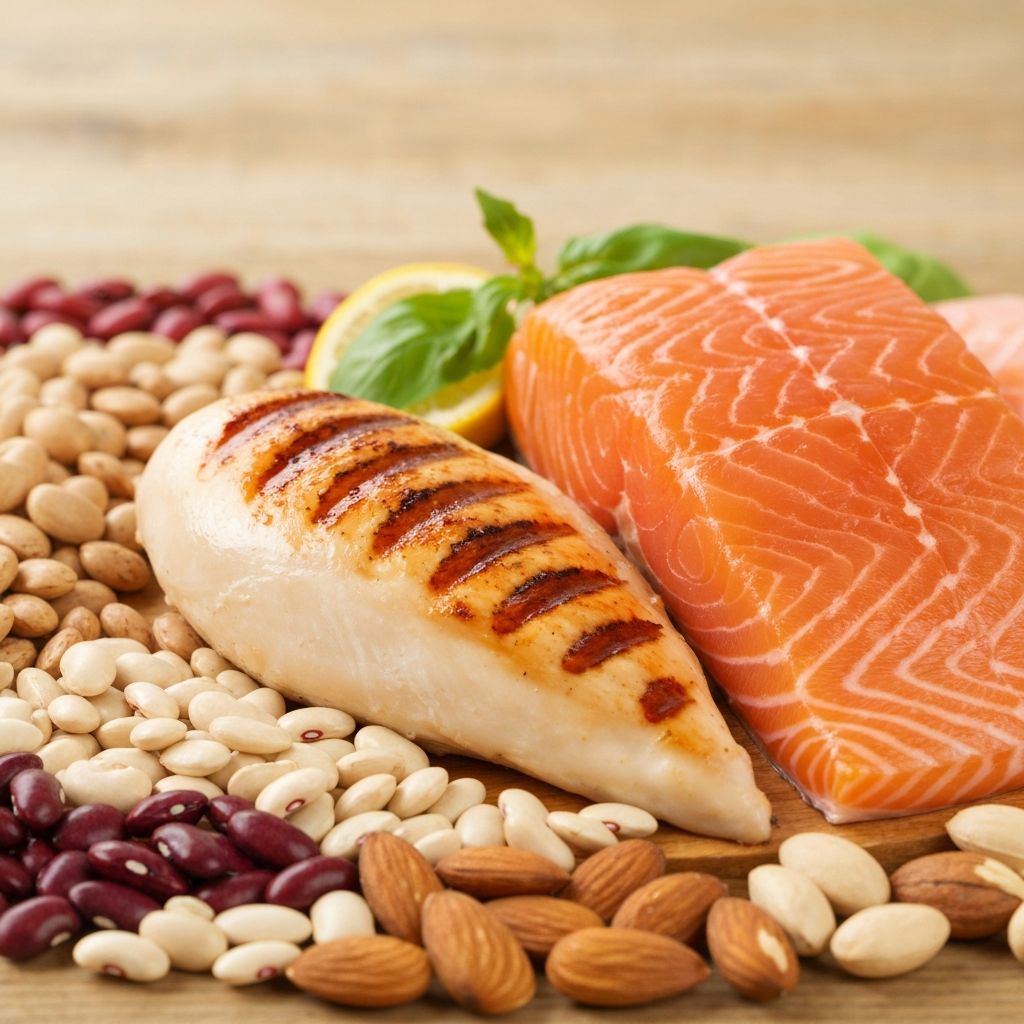
Protein is a macronutrient essential for various body functions, including muscle maintenance, enzyme production, and immune support. For men, adequate protein intake contributes to maintaining muscle mass and supporting physical performance.
Protein sources can be categorized into animal-based proteins (meat, fish, eggs, dairy) and plant-based proteins (legumes, nuts, seeds, whole grains). A varied diet incorporating both sources provides a complete amino acid profile and additional micronutrients.
- Lean meats and poultry for high-quality protein
- Fish rich in omega-3 fatty acids
- Legumes for plant-based protein and fiber
- Eggs as a complete protein source
- Dairy products for protein and calcium

Healthy Fats: Sources and Benefits
Fats are an important macronutrient that supports hormone production, nutrient absorption, and brain function. Not all fats are equal; the focus should be on incorporating healthy unsaturated fats into your diet.
Sources of Healthy Fats:
- Avocados and avocado oil
- Olive oil and nuts
- Fatty fish like salmon and mackerel
- Seeds including flax and chia
- Natural nut butters
These foods provide monounsaturated and polyunsaturated fats that contribute to overall nutritional balance and support various bodily functions.
Antioxidants and Immune Support
Antioxidants are compounds found in various foods that help protect cells from oxidative stress. While no food can prevent or cure disease, including antioxidant-rich foods as part of a balanced diet supports overall health.
Sources of Antioxidants:
- Berries (blueberries, strawberries, raspberries)
- Dark leafy greens (spinach, kale)
- Colorful vegetables (tomatoes, carrots, bell peppers)
- Nuts and seeds
- Green and black tea
- Dark chocolate
Immune Support Through Nutrition:
- Vitamin C from citrus fruits and vegetables
- Zinc from meat, shellfish, and legumes
- Selenium from nuts and seafood
- Probiotics from fermented foods
- Protein for immune cell production
Vitamins and Minerals: A Comprehensive Guide

Vitamin D
Vitamin D supports bone health, calcium absorption, and immune function. The body produces vitamin D when exposed to sunlight, and it can be obtained from fatty fish, egg yolks, and fortified dairy products. Research indicates that adequate vitamin D levels are important for overall well-being.
Zinc
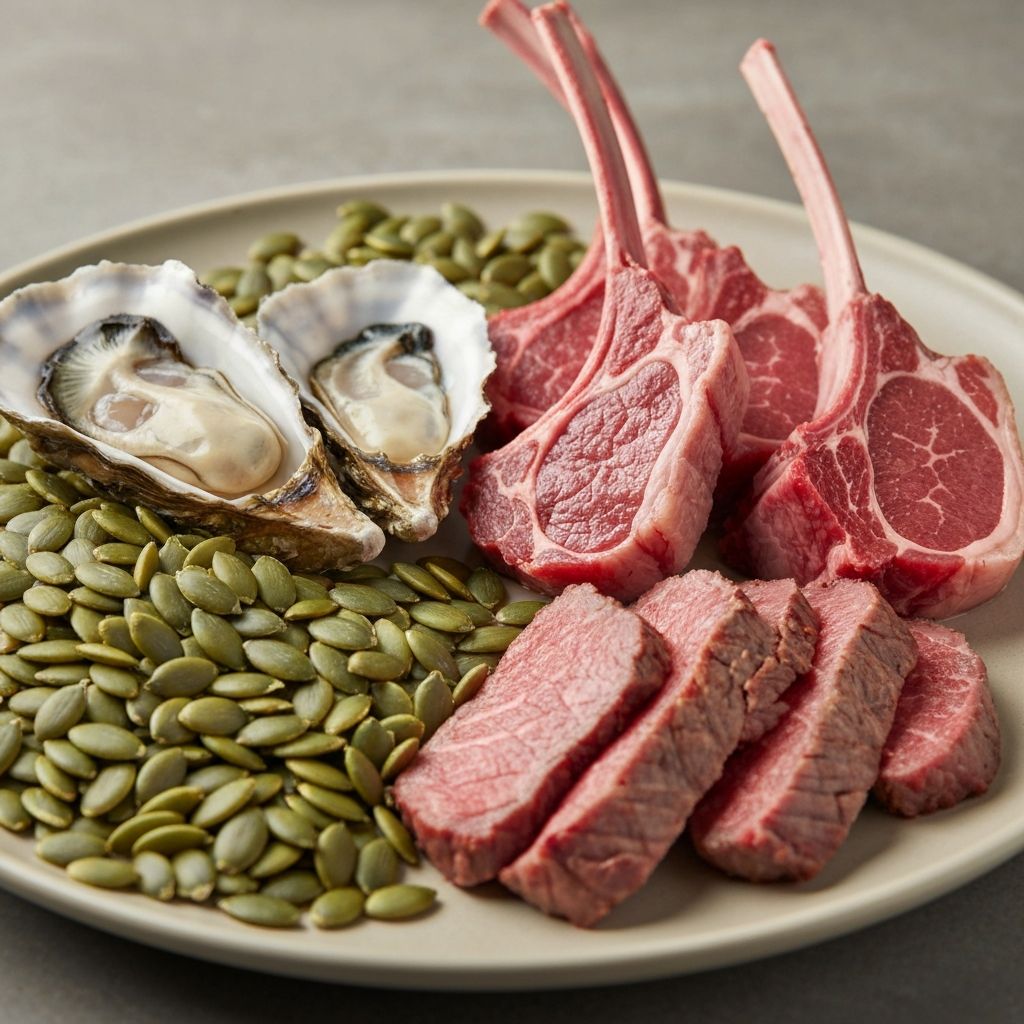
Zinc plays a crucial role in protein synthesis, wound healing, and immune function. It is found in lean meats, poultry, seafood, legumes, and seeds. Adequate zinc intake supports various metabolic processes and is considered essential for men's health.

Omega-3 Fatty Acids
Omega-3 fatty acids are polyunsaturated fats found in fatty fish, flaxseeds, and walnuts. These nutrients support heart health, brain function, and overall cardiovascular wellness. Including omega-3 rich foods in your diet contributes to a balanced nutritional intake.
Hydration for Overall Well-being
Water is essential for numerous bodily functions, including temperature regulation, nutrient transport, and waste elimination. Adequate hydration contributes to physical performance, cognitive function, and overall health. While individual water needs vary based on activity level and climate, maintaining consistent fluid intake is a fundamental aspect of wellness.

Dietary Patterns and Lifestyle
A balanced diet works synergistically with physical activity and overall lifestyle choices to support health and wellness. Consistent patterns of eating a variety of whole foods, staying hydrated, and engaging in regular physical activity create a foundation for maintaining well-being.
The relationship between nutrition and physical activity is well-established. Regular exercise, whether cardiovascular activity, strength training, or flexibility work, complements proper nutrition in supporting bodily functions and overall vitality.
Building Healthy Patterns:
- Include a variety of food groups in daily meals
- Focus on whole, minimally processed foods
- Engage in regular physical activity
- Maintain consistent eating patterns
- Stay adequately hydrated throughout the day

Busting Nutritional Myths
Fact: Healthy unsaturated fats are essential for hormone production, nutrient absorption, and brain health. Sources like olive oil, nuts, avocados, and fatty fish contain beneficial fats. The focus should be on choosing healthy fat sources rather than eliminating fats entirely.
Fact: Carbohydrates are an important source of energy and fiber. Whole grain carbohydrates, vegetables, and fruits provide essential nutrients and contribute to digestive health. The quality of carbohydrate sources matters more than eliminating them entirely.
Fact: While adequate protein is important, excessive amounts are not necessary for muscle maintenance. A balanced approach combining adequate protein intake with resistance exercise and overall lifestyle factors supports muscle health.
Fact: The timing of meals is less important than overall calorie intake and the quality of foods consumed. Eating balanced meals whenever they occur throughout the day is more significant than the specific time of consumption.
Whole Grains and Carbohydrates
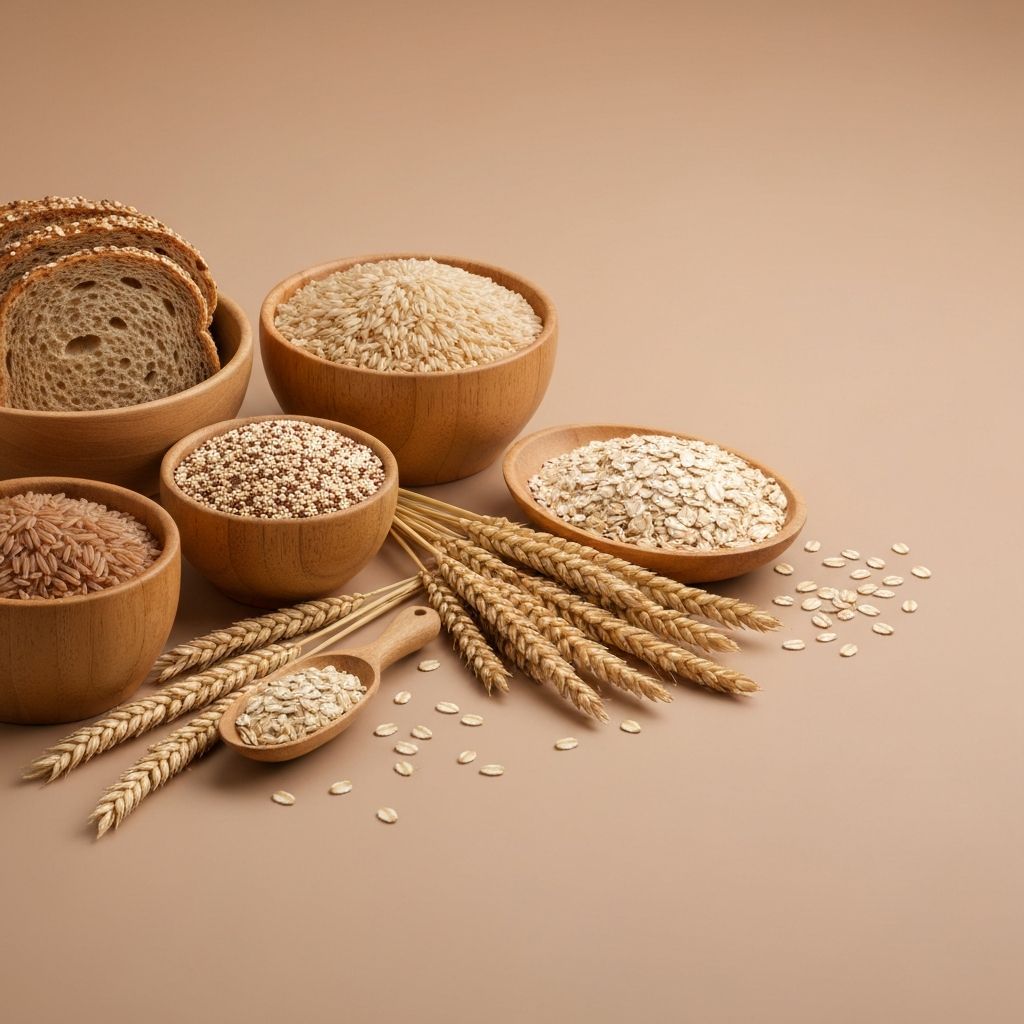
Whole grains are an important source of carbohydrates, fiber, and various micronutrients. They support digestive health and provide sustained energy throughout the day.
Examples of Whole Grains:
- Brown rice and quinoa
- Whole wheat bread and pasta
- Oatmeal and barley
- Bulgur and farro
- Whole grain cereals
Including a variety of whole grains in your diet provides fiber for digestive health, B vitamins for energy metabolism, and various minerals that support overall bodily functions.
Vegetables and Plant-Based Foods
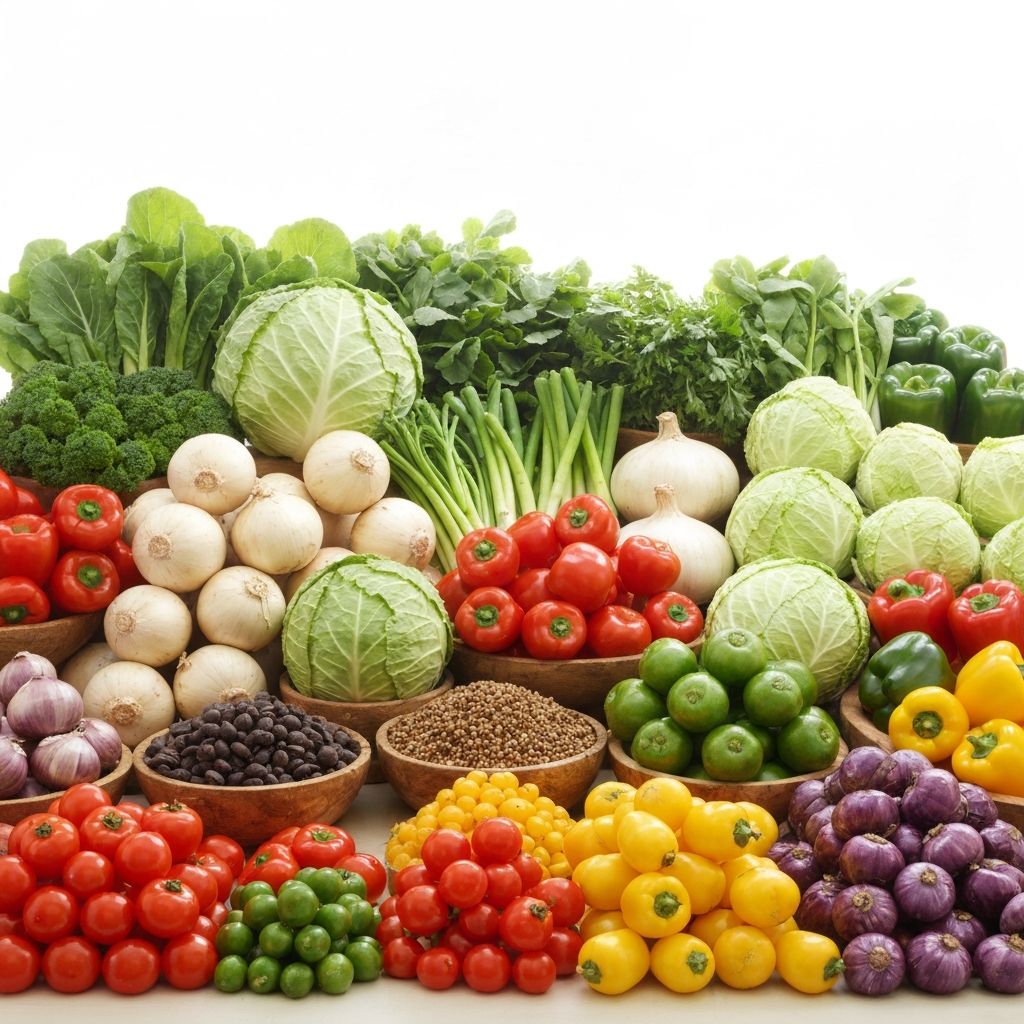
Vegetables are fundamental to a balanced diet, providing fiber, vitamins, minerals, and phytonutrients. A variety of colorful vegetables ensures a broad spectrum of nutrients.
Benefits of Vegetables:
- Rich in vitamins and minerals
- High in dietary fiber
- Low in calories but nutrient-dense
- Contain phytonutrients and antioxidants
- Support digestive health
Fruits and Additional Benefits:
- Natural source of carbohydrates and fiber
- Rich in vitamins, particularly vitamin C
- Contain natural sugars for energy
- Provide various antioxidants
- Support overall nutritional variety
Summary and Key Takeaways
Educational Content Only. No Promises of Outcomes.
The information provided on this website is intended for educational purposes only. It is not intended to substitute for professional medical advice, diagnosis, or treatment. Individual nutritional needs vary, and what works for one person may differ for another.
Always consult with a qualified healthcare professional, physician, or licensed dietitian before making significant dietary changes or if you have specific health concerns. This educational content explains concepts and principles but does not constitute personalized medical or nutritional advice.